Biomed Responsibilities: A Biomedical Technologist/Technician (biomed) is a highly trained medical device support specialist. Biomeds support medical devices used to diagnose or treat patients. To competently support a medical device, the biomed has a strong technical understanding and basic clinical understanding of each device. Their education includes electricity/electronics, computer/networking, anatomy and physiology and of course […]
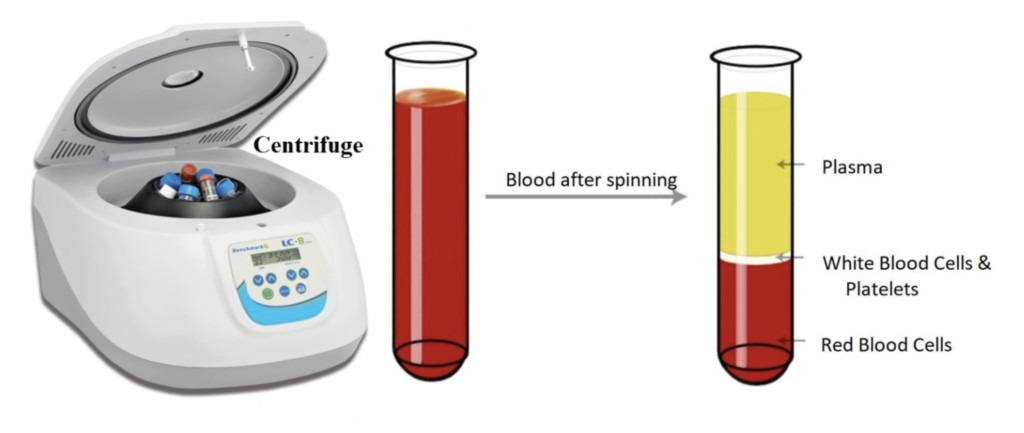
Laboratory devices require two maintenance tasks which are accuracy checks, to ensure the accurate measured results and preventative maintenance (PM) to reduce breakdowns. These two tasks are commonly performed by biomedical technician/technologist (biomed) on all medical devices. A biomedical department that maintains laboratory devices can often reduce service costs and respond to breakdowns much faster, when compared to […]
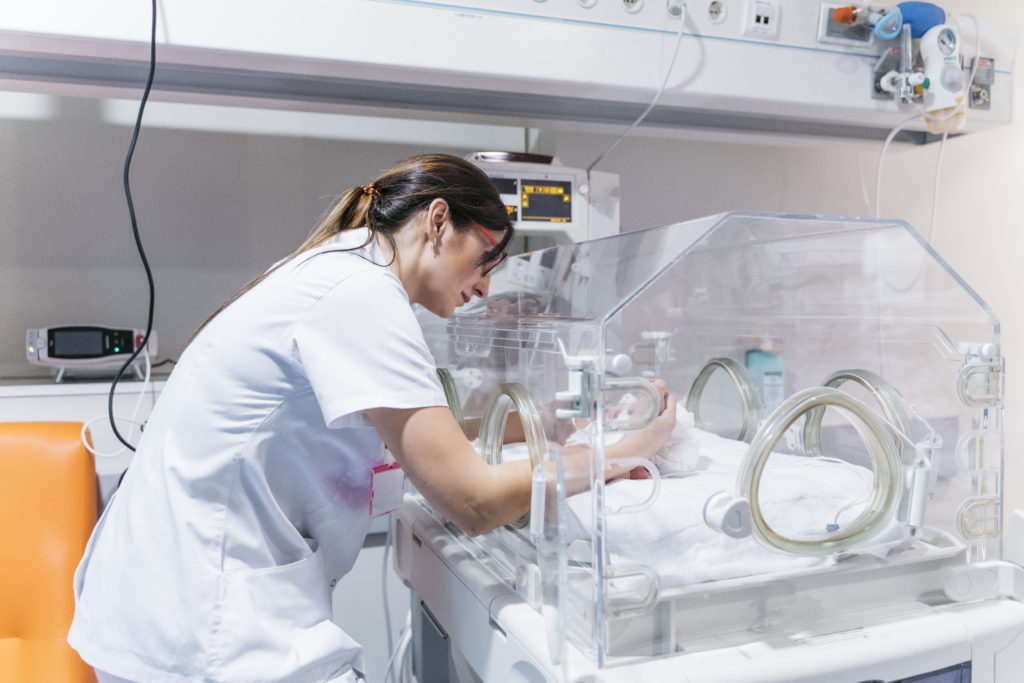
An infant incubator is a fully enclosed clear plastic dome which provides a stable environment for an infant. The cabinet has portholes that allow easy access for the nurse or physician, without opening the cabinet. The incubator controls the temperature, humidity, oxygen and protects the infant against infections, diseases and noise. Other capabilities may include […]
Healthy kidneys filter waste products and water from the body by forming urine. Chronic patients have kidneys that progressively deteriorate in renal function. Without dialysis or kidney transplant, this condition is terminal. Chronic patients require dialysis usually three times per week at four-hour sessions. Hemodialysis uses the processes of diffusion to purify the patient’s blood […]
A Biomedical Technician/Technologist is an indirect patient care provider. The medical devices that are maintained by the biomed are used by healthcare professionals to diagnose/treat patients. If the medical device is not operating as per the manufacturer’s specifications, the patient diagnosis/treatment may be incorrect and the biomed “may” be negligent! The vast majority of biomeds […]
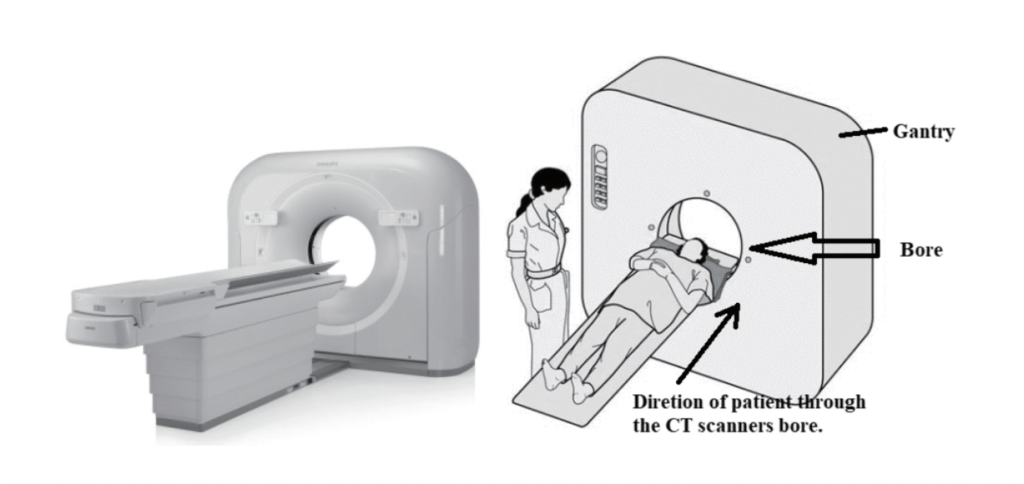
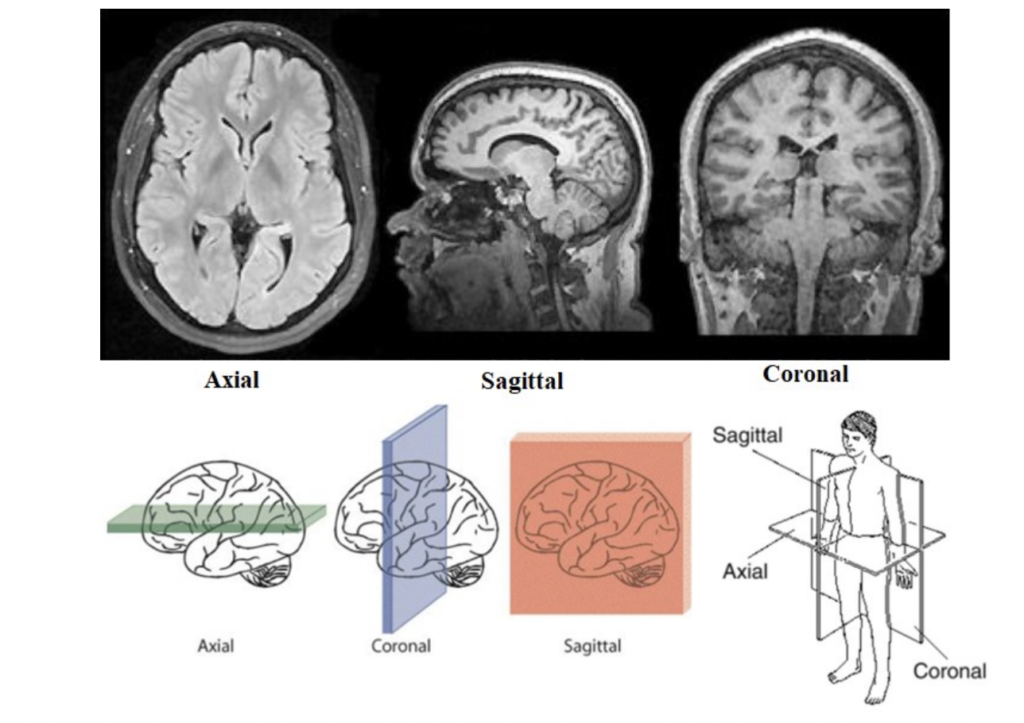
Biomedical support persons that work on imaging equipment for manufacturers are often referred to as Field Support Engineers or FSE. A computed tomography or CT scanner is a non-invasive diagnostic imaging device that produces virtual axial slices of the body the user views by scrolling through them on a display. These virtual axial slices are […]
What is an ADT system? An ADT system is the backbone of a hospital information system (HIS). ADT stands for admit, discharge and transfer. The ADT system manages a database with the patient’s information and shares this information with numerous other hospital information systems. This ensures all systems throughout the hospital have the same patient […]
What is a Holter System? A holter recorder records a dynamin electrocardiogram of a patient while the patient does their normal activities. Each contraction of the heart starts as an electrical impulse. The impulse is released by a special group of cells called the SA node. These cells, found in the right atrium, function as […]
What is a Fetal Monitor? A fetal monitor is used to monitor a pregnant woman’s unborn child or fetus. Their purpose is to supply the fetal heart rate and uterine activity (UA) either externally or invasively. The fetal heart rate is commonly monitored by use of an external ultrasound transducer using the doppler effect or […]
What is an ESU? The purpose of an electrosurgery unit (ESU) is to give a physician the ability to cut and/or coagulate tissue, using high frequency currents. Cut mode vaporizes tissue which mimics a surgeon using a sharp knife to cut tissue. Coagulation mode changes the tissue from a liquid to a solid producing a […]
What is electrical safety? Biomeds perform electrical safety on medical devices to ensure patients are protected from dangerous leakage and fault currents. Leakage currents exist in all medical devices. A fault current is a current that flows through any path other than to power the medical device. The ground wire of the power cord connects all exposed metal […]
Infusion Pumps and the Biomedical Technologist/Technician An infusion pump’s purpose is to administer fluids, nutrients or medications intravenously at a rate determined by the user. Infusion pumps may be found in numerous areas of a hospital or clinic. There are two types of infusion pumps which are a large or small volume pump. Large volume […]
A biomedical support person that work on imaging equipment such as an MRI, are oftenreferred to as Field Support Engineers or FSE. Servicing an MRI requires about 4 to 8 weeks ofmanufacturer training, specific to the MRI. MRI systems have a strong magnet field (B0) createby a superconductive permanent magnet that commonly range between 0.5T […]
To be honest, electric cars have nothing to do with Biomedical Technologists/Technicians, I just wanted to share my experiences as an electric car driver. I have been driving an electric car well over 2 years to date. If you are still interested, read on. If not, please refer to some of my other Linkedin articles […]
How can a defibrillator correct certain arrhythmias? The electrical activity of the heart keeps the heart pumping blood throughout the body in a timed fashion, referred to as normal sinus rhythm. When the patient is experiencing certain arrhythmias, the defibrillator’s brief output of current can electrically shock the heart and depolarize it. This may return the heart to […]
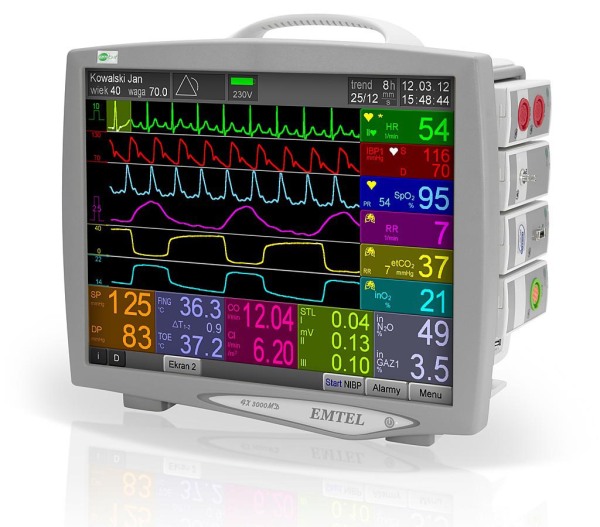
Patient monitors vary widely in design and the parameters they measure. Theseparameters include electrocardiogram (ECG), respiration (RESP), temperature (TEMP), pulseoximetry (SpO2 and pulse rate), blood pressures (IBP or NIBP) and many more. Some patientmonitors are portable and measure a few parameters while others monitor multiple parameters.The biomed uses a calibrated patient simulator to verify accuracy […]
Often the health care professional may be irritated by their BMET, asking for access tothe medical device, to perform a “PM”. They may think or say, “But it is working fine!” or “Imay need it!” or “I don’t want you to break it!” or the best question of all, “Why do you need toPM it, […]